All Valley Car Care’s Guide to Recognizing Worn Brake Pads
Brake disorders rarely arrive with a fanfare. They creep in over weeks, once in a while months, as pad material thins, hardware loses its spring, and rotors develop tiny grooves you won't see from the motive force’s seat. By the time a motive force feels a long pedal or hears https://fernandotjsv863.rivetgarden.com/posts/how-a-professional-car-diagnostic-saves-you-money-all-valley-car-care a grinding roar at stoplights, the destroy is always accomplished. I have spent adequate hours at a boost, flashlight in my teeth, to understand that early detection saves rotors, maintains calipers match, and stops the form of white‑knuckle moment nobody forgets. This consultant distills what our technicians look and hear for day-to-day, along with the judgment calls that come with genuine highway situations and diversified pad models.
What brake pads as a matter of fact do, and why they wear
A brake pad is a friction fabric bonded to a steel backing plate. When you press the pedal, hydraulic stress squeezes the pad opposed to the rotor. Friction converts movement to warmth, then vents it into the airstream. Every stop consumes a dusting of pad material. City riding, hauling, mountain descents, and aggressive braking all speed up that loss.
Most glossy pads are certainly one of three families: semi‑metal, ceramic, or low‑metal NAO. Semi‑metallic pads chew challenging while chilly and tolerate warmth, popular on trucks and overall performance applications, and that they have a tendency to be noisier. Ceramics shed much less grime and in the main run quieter, established on sedans and crossovers, and they oftentimes masks noise signs even as they skinny. Low‑steel NAO pads occupy the center. None of them are immortal. The wear fee is dependent on the weight of the automobile, tire grip, rotor fabric, and how regularly you slow from highway speeds.
A natural and organic pad starts its lifestyles around 10 to twelve millimeters thick, now not counting the backing plate. Pad makers embed a steel put on indicator in lots of designs that begins to chirp while the ultimate friction layer is ready 2 to 3 millimeters. Some vehicles upload an digital sensor that trips a sprint caution. The pad needs to not at all wear all the way down to the backing plate. Once steel meets iron, the rotor loses a layer with each and every discontinue, and the restore invoice climbs.
Sounds that subject, and sounds that do not
Noise is the language brakes use once they favor awareness, but it is just not a unmarried dialect. Over the years, I actually have heard the entire catalog in our vehicle restore retailer bays.
A continuous, excessive‑pitched chirp that changes with pace, louder in the previous couple of ft formerly a cease, mostly skill the mechanical wear indicator is doing its job. Think of it as a smoke alarm at low battery. The brakes nevertheless paintings, yet you're on borrowed time. If that chirp vanishes the instant you contact the pedal, it suits the identical development.
A coarse grinding, surprisingly under light braking, is a extra urgent signal. By then, friction subject matter is long gone or uneven enough to let metallic touch steel. The sound is unmistakable, like a coffee grinder. Grinding oftentimes pairs with a sparkly inside rotor face and heat striping. Expect to replace rotors and pads in combination. Ignore it, and a caliper piston can overextend or trap, which turns a hassle-free brake pad replacement into caliper provider.
A groan on chilly mornings after rain is usually harmless. A thin film of rust paperwork on rotors overnight. The first few stops scrub it off. If the noise fades within a 1/2 mile and does now not return, it is conventional. The similar is going for a faint squeal the first time ceramic pads chunk after a wash. Moisture transformations friction briefly. What is just not regular is a squeal that repeats hot or chilly, rain or shine, and receives worse over per week. That is a pad asking to be measured.
Ceramic pads complicate the soundtrack. They run quiet even close the wear and tear prohibit. Drivers used to older motors look ahead to a squeal that never comes. On those vans, pedal consider and stopping distance end up extra risk-free clues than noise.
How the pedal and steerage wheel dialogue to you
Brakes are a consider technique as a lot as a legitimate machine. A right pedal holds firm at a constant peak with a consistent deceleration as you upload force. When pads wear and hardware a while, that tactile clarity blurs in a number of numerous ways.
A cushy or low pedal can aspect to countless trouble, but worn pads via themselves do no longer make the pedal sink. The caliper piston simply travels farther to absorb the distance. If the pedal continues journeying, feels spongy, or pumps up then fades, take into consideration brake fluid and hydraulics. Old fluid that has absorbed moisture boils quicker, specifically after a downhill grade, and that introduces compressible vapor into the strains. If you have not flushed fluid in two to a few years, put that to your motor vehicle upkeep plan. It is a separate service from an oil amendment, and each matter in exceptional techniques.
A vibration in the steering wheel or a pulsing pedal beneath enterprise braking ordinarilly tracks lower back to rotor things, characteristically called thickness edition or challenging spots from overheating. Worn pads can cause this via running too sizzling or by means of moving uneven fabric. If you feel that shake from road speeds, mainly on a descent, pads would still have several millimeters left, but they may be no longer operating on a flat, excellent floor anymore. At that element, the inspection makes a speciality of rotors first, then pad face condition, and the way the caliper slides circulation.
A pull to one edge lower than braking shows one caliper clamps harder than any other. Sticking caliper pins, seized pistons, or a contaminated pad can do it. On cars which have been using a flood or a winter of avenue salt, that's effortless. It may mask as a tire quandary. Swap the the front tires left to top and avenue experiment to study. If the pull remains with braking, flip your realization to the caliper and pad at the side that grabs.
What that you may see with out a lift
Drivers oftentimes ask if they can payment pads at house. With the properly mild and a piece of care, you are able to. Park on stage floor, set the parking brake, and flip the steering wheel complete lock to the left to view the properly entrance brakes, then to the excellent for the left area. Through many wheels, that you could spot the outer pad against the rotor.
Use those short curbside assessments:
- Compare pad thickness to a nickel. If the friction layer looks thinner than the coin’s part, you might be inside the purple region, close to 2 millimeters.
- Look for a deep groove or lip at the rotor’s periphery. A pronounced ridge skill the rotor has worn ample that machining may not clear it up.
- Inspect for asymmetric pad put on, tapered from one conclusion to the alternative. That tricks at a frozen caliper slide or bent hardware.
- Shine a faded for rust flakes across the pad ears and abutment clips. Excessive corrosion binds pads, slowing their release and cooking them.
- After a quick force, hover a hand near each one wheel, do now not contact the rotor, and experience heat. One nook much hotter than the others indicates a dragging pad or sticky caliper.
The rear brakes are more difficult to see, quite if they are drum vogue in place of discs. Drums disguise the friction cloth fully. Symptoms of worn rear footwear consist of a low parking brake lever, bad carry on hills, and a scraping sound that alterations with brake software. Many compact motors and older SUVs nonetheless run drums at the rear, they usually deserve focus at universal durations.
Dash warnings and what they exceedingly mean
Many late‑version vans tie brake put on into the device cluster. A yellow brake pad image or a message like “Check brake pads” trips while an digital sensor circuit opens. That circuit is embedded in one pad at every one monitored nook. It triggers while that pad by myself reaches its restriction. The other pads should be would becould very well be a millimeter more desirable or worse. Treat the faded as a cross‑now suggested, not a guideline. The longer you wait, the better the possibility that rotor surfaces or caliper piston boots get broken with the aid of warmth.
Do now not confuse the pink brake warning light, which basically shares obligations with the parking brake and hydraulic components. If that light comes on whereas using and the parking brake is wholly released, pull over accurately. The procedure is also low on fluid, which now and again occurs as pads put on, however it will possibly additionally suggest a leak. Topping off with no finding the reason is a chance. That is a moment for a tow and a real auto diagnostic at a trusted automotive restore keep.
ABS lighting fixtures are their own universe. They do now not inform you approximately pad thickness. They record on wheel speed sensors, tone jewelry, and hydraulic modulators. A automobile may have terrific pads and nevertheless gentle the ABS lamp. Likewise, a auto may have tired pads without ABS caution at all.
How some distance is just too far, in millimeters and miles
The measurement that topics so much is pad thickness. New pads at 10 to 12 millimeters give you a vast window. At 6 to 7 millimeters, you are in the drafting board. At three to four, it is time to schedule. At 2, the mechanical indicator starts off to sing on many pads. Below that, steel bites steel. In miles, this window varies wildly. I have noticeable journey‑share sedans burn using a front set in 15,000 miles in dense urban site visitors and seen toll road commuters stretch pads past 60,000 miles with smooth using. Trucks that tow in summer time heat, minivans stuffed with family apparatus, and functionality autos driven laborious, all swing to the fast facet of that range.
Rear pads frequently remaining longer considering that braking bias favors the entrance, many times 60 to eighty percentage up the front. Regenerative braking on hybrids and EVs pushes pad life a ways longer. It is not really distinct to look at a hybrid with 70,000 miles and find usual pads above 7 millimeters. That does now not mean the brake process will probably be omitted. Long durations with out friction braking can glaze rotors or clutch slide pins that not at all cycle solely. Periodic provider keeps them shifting.
Edge instances that fool even experienced ears
Not every squeal or pull capability pads are at the restrict. Here are instances that name for a cautious read.
Brand new pads can squeal for a day in the event that they have been no longer bedded well. Bedding comes to a chain of moderate stops from 30 to forty mph to switch a good film of pad textile onto the rotor. Skipping this step can depart uneven deposits that sing. A top rebedding, if the pad compound lets in, can healing it.
Glazed pads, vibrant like a replicate, lose chunk and make noise. This happens after a long downhill with heavy braking or while a caliper sticks and cooks the material. The pedal feels rough, preventing distances grow, however the pads nevertheless measure above three to four millimeters. Sanding the glaze evenly and solving the basis reason at times saves the set, however if warm has cracked the surface or roasted the resins, replacement is the sensible name.
Contaminated pads act weird and wonderful. A leaking axle seal on a rear drum, a weeping caliper banjo bolt, or over‑sprayed lube on rotor faces can turn silence into groans. Cleaning rotors and changing affected pads solves it. Driving with illness negative aspects glazing and rotor sizzling spots.
Wheel and tire changes play a position. Aggressive tread styles can sound like poor brakes at low speed. A bent wheel or unevenly torqued lug nuts can mimic a brake vibration. Any time a vibration looks accurate after a tire rotation or wheel change, retorque first, then evaluation brakes.
Cheap pads can trick you. Bargain friction drapery in some cases comprises inconsistent compounds. The first 2,000 miles might possibly be quiet, then squeal units in. Or the pads create gobs of grime, coating wheels in per week. We hold a quick record of pad manufacturers and compounds that have confirmed regular throughout car systems as a result.
What we look at at the store, past the fast look
When a vehicle rolls into our bay for brake worries, the activity seems the equal even if the criticism is a squeal, a pull, or a vibration. We begin with a street check. Speed matters. A noise in basic terms among 10 and 20 mph points in one route, a vibration beneath firm braking at 60 mph facets in an additional. We listen with the windows down, then up, and investigate the car parking zone for clues like fluid drips or rusty rotor faces after rain.
On the lift, wheels off, the visual tells its story. We degree pad thickness at either ends of the pad to ascertain taper. A 2 millimeter big difference from ideal to trailing edge suggestions at hardware problem. We examine rotor surfaces for scoring, demanding spots, and blue warmness marks. We use a micrometer to degree rotor thickness and a dial indicator if we suspect lateral runout. If a rotor is just about or below minimal thickness, substitute beats machining. Thinner rotors overheat temporarily and are liable to warping.
Caliper slides should cross with finger drive. Frozen slides chunk one pad even though any other seems new. Boots needs to be intact and greased with the precise high‑temp silicone or moly paste, now not whatever is to be had. Piston mud boots which can be cracked invite moisture and corrosion. Flex hoses get a near appearance when you consider that a collapsed interior liner can act like a check valve, holding stress on a caliper and inflicting a continual drag.
Hardware is just not an afterthought. Abutment clips, anti‑rattle springs, and pad shims all shape noise and put on styles. Reusing rusty or bent hardware invites comebacks. On drum brakes, go back springs, adjusters, and wheel cylinders take midsection level. A caught adjuster leaves the pedal long and the parking brake weak however the shoes degree properly.
We recall brake fluid circumstance too. Dark, moisture‑laden fluid lowers the boiling aspect. On motors which have worked laborious, a fluid test strip or a boiling point experiment affords archives we will be able to reveal. If infection is offer, a flush is a part of the carrier. At the identical visit, many purchasers schedule an oil trade or ask for a motor vehicle battery replacement verify because the vehicle is already with a mechanic. Bundling events car upkeep like that saves time and allows catch different trouble early.
When to replace pads, and what to change with
Pad selection topics. If you tow, are living within the mountains, or own a heavy SUV, a first-rate semi‑steel set paired with matching rotors and fresh hardware affords predictable chunk and heat tolerance. If you everyday a sedan and prize quiet wheels, a ceramic set with low airborne dirt and dust is ideal. Cheap rotors paired with top rate pads rarely bring the predicted feel. The total formula needs to be appropriate.
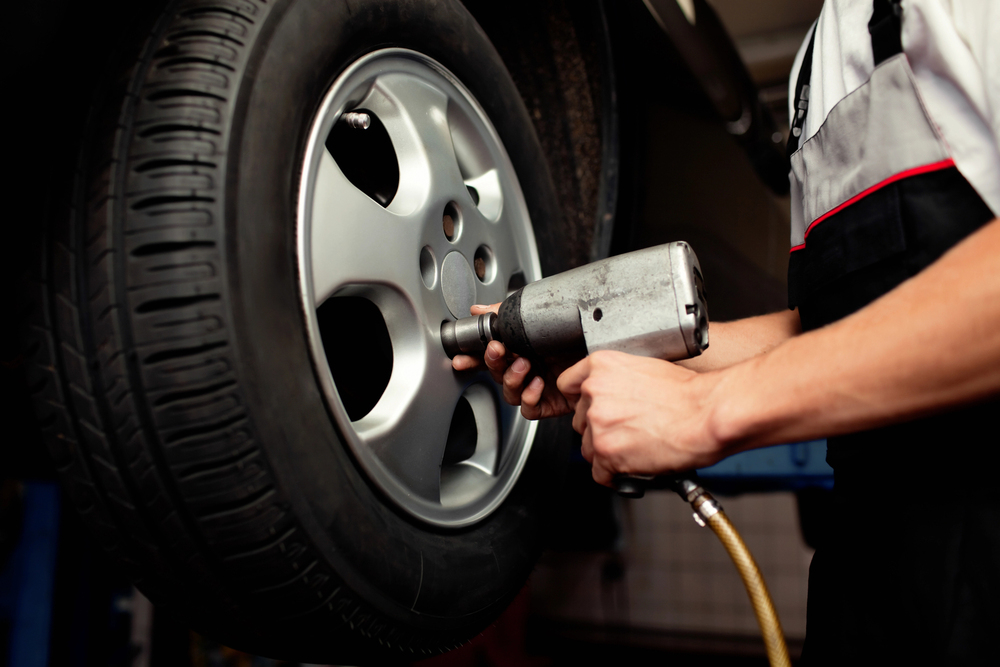
Replace pads before the wear indicator sings when you discover any mix of these: pad thickness at 3 to 4 millimeters, a growing pedal pulsation, visual scoring on rotors, or uneven wear from hardware matters. Waiting to hit the last millimeter gambles with rotor existence, and rotors check more than pads. On automobiles with a put on sensor pale, schedule the provider as quickly because it seems to be. On automobiles with track packs or outsized brake applications, check out extra frequently. High‑performance setups run warmer and devour pads sooner.
For hybrids and EVs, select pad compounds rated for regenerative tactics. They manage light, intermittent friction and lengthy disuse devoid of glazing. Even despite the fact that regeneration saves pad life, the brake equipment still necessities periodic mechanical recreation. Many provider schedules name for casting off pads, cleansing slides, and re‑lubing yearly or each two years in prime humidity or salted highway regions.
What that you can do among functions to increase pad life
Driving fashion has the biggest influence. Look a long way ahead, coast early, and avert dragging brakes on long descents. On steep hills, downshift an automatic to a reduce apparatus to add engine braking. Learn the personality of your adaptive cruise regulate. On a few motors it brakes past due and arduous. Leaving a longer gap reduces the range of micro‑stops in traffic.
Keep tires well inflated and aligned. A tire that drags the car left forces you to good with the wheel and in many instances with the brakes. Aligned, calmly worn tires stop straighter and faster. If you experience a brand new pull after a tire carrier, point out it right away. It might possibly be as primary as uneven lug torque.
Schedule periodic inspections. If your vehicle sees often urban miles, have a mechanic degree pads at every oil difference. A immediate glance can catch a caught slide or a weeping caliper before it ruins a suite of pads. If you power mostly road, every other oil substitute is on the whole exceptional. For customers who consult with us for Car AC restore inside the warmer months, we aas a rule pair that appointment with a brake test, due to the fact that either systems undergo lower than warmness.
Store the automobile wisely. If you're parking for weeks, pick out a dry spot and roll the automobile a foot or two each few days to alternate which element of the rotor rests underneath the pads. Long touch in humidity can print pad outlines into rotors, ultimate to a shudder later.
When a instant determine will become a complete brake job
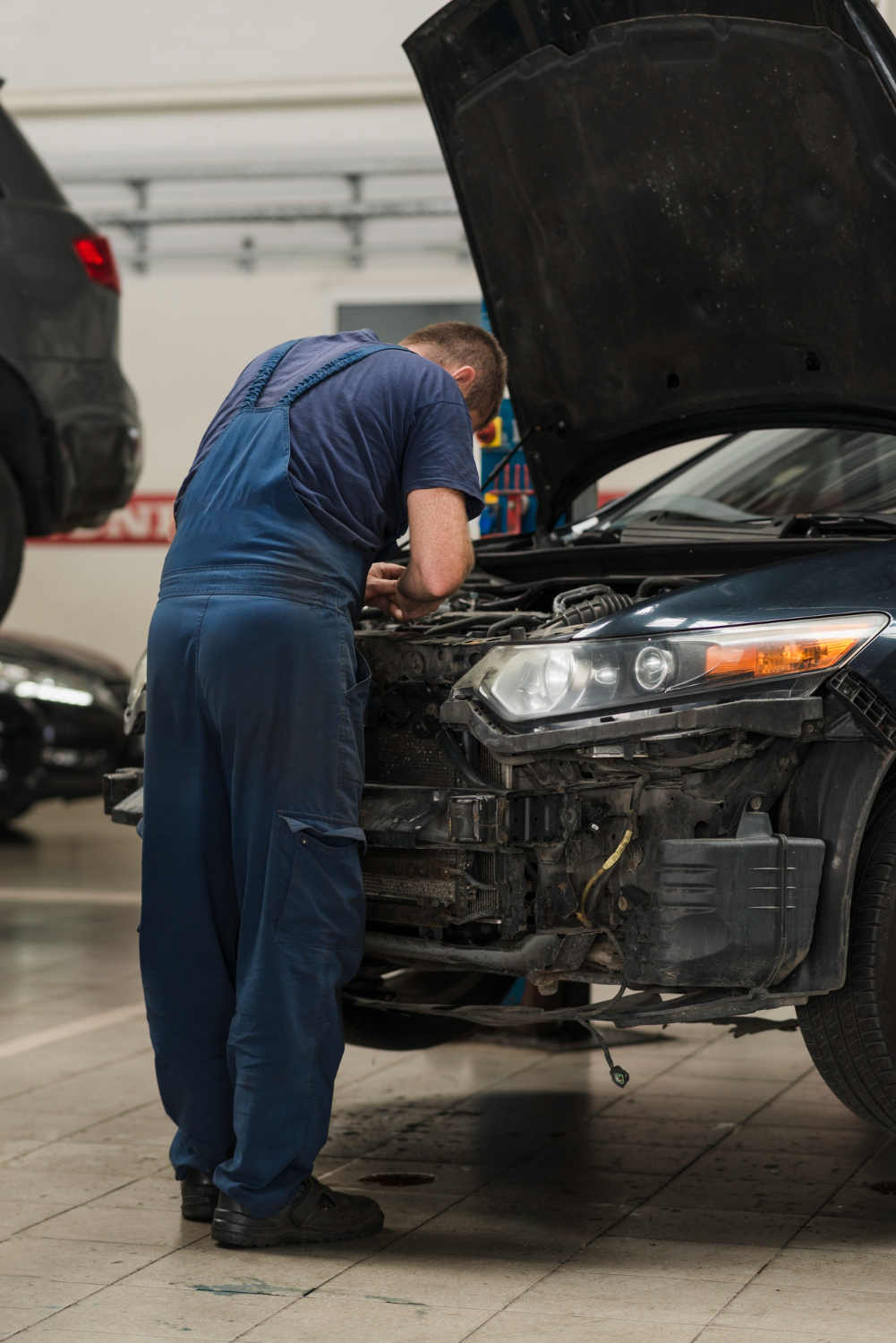
A pad slap, the shorthand for quickly swapping pads, is tempting in case you are in a rush. Sometimes this is precise. Newish rotors with a sleek face and no lip, slides that flow like new, and pads that wore frivolously can take delivery of a contemporary set with no drama. In our retailer, it's the minority. More aas a rule, a right service comprises new pads, new rotors, recent hardware, wiped clean and lubricated slides, and a brake fluid flush if the calendar requires it. On older cars, plan for one or two surprises, like a stripped caliper bracket bolt or a hose that exhibits its age whilst moved.
We value and plan according to what the inspection finds, not a one‑size bundle. The function is a top, agency pedal, immediately stops with out noise, and accessories that allows you to remaining the expected c program languageperiod. Shortcuts instruct up six months later as squeaks, uneven wear, or pulsation. It quotes less to do it correct as soon as than to do it two times.
Simple red flags that imply it is time to book service now
Use this brief, no‑guesswork checklist to choose whilst to stopover at a knowledgeable:
- Any grinding noise underneath braking, even once, especially if it grows louder over days.
- A brake pad or brake process warning light at the sprint.
- Steering wheel shake or pedal pulsation that that you may reproduce on any power.
- A pull to at least one side merely whilst braking, not provide at stable speeds.
- Fluid at the interior of a wheel, a mushy pedal, or the crimson brake warning lamp although riding.
If any of these seem to be, schedule with an auto repair retailer you belief. Do not look forward to the subsequent oil amendment slot. The sooner a mechanic inspects the components, the much more likely that you can retailer rotors and preclude caliper ruin.
How brake provider fits into the larger maintenance picture
Brakes do now not are living on my own. Battery voltage influences ABS modules and electronic parking brakes. A weak battery can throw phantom codes that muddy a automobile diagnostic consultation. If your battery is older than 3 to five years, pair brake work with a vehicle battery alternative check. Suspension circumstance shapes brake think too. Worn struts bring up nose dive, lengthening stops and making the front pads paintings beyond regular time. Tire quality and age circular out the equation. A price range tire that loses grip early forces the ABS to paintings tougher and stretches stopping distance regardless of fabulous pads.
We incessantly fold brake inspections into seasonal preservation. Before summer trips, along Car AC repair checks and cabin filter out ameliorations, we degree pads and brake fluid moisture. Before iciness, whilst roads are wet and cold, we be certain that hardware is clear and lubricated so pads unlock cleanly and do now not drag in salt and slush. For fleets and paintings trucks that tow, we put forward shorter intervals. The rate of downtime dwarfs the fee of preventive provider.
A observe from the bay: two brief stories
A contractor added in a 1/2‑ton pickup with a faint squeal he heard handiest for the duration of low‑speed nearby stops. Pads measured three millimeters at the periphery and 1 on the internal, with a seized cut back slide pin at the passenger the front caliper. He had a pass‑united states of america tow deliberate that weekend. Rotors confirmed warmth recognizing but have been still at service thickness. We changed pads and rotors up front, rebuilt and greased either sides’ slide pins, and flushed the fluid, which confirmed close to the boiling point floor. He stopped by using a month later after hauling a 5,000‑pound trailer by means of the Rockies. The pedal nonetheless felt new, and he had no extra noise. Catching that pin in all likelihood stored the caliper and his day out.
A rideshare driver came in complaining of a shudder from dual carriageway speeds. He had changed entrance pads at a immediate‑service place three months before. No rotors. No hardware. The new pads had left asymmetric deposits on historic, quite warped rotors. We measured zero.0015 to zero.002 inches of thickness variant, adequate to create the heart beat. Installing matched rotors and nicely bedding the pads fixed the vibration. He now budgets to substitute rotors with each and every entrance pad set, roughly every 25,000 to 30,000 town miles, which aligns with his obligation cycle.
Final instructions you can still trust
Recognizing worn brake pads is an element listening, component feeling, and side measuring. If you listen a constant squeal, suppose a growing pulse, or see pad thickness close to a nickel’s aspect, you're shut. Grinding, any warning gentle, or a pull beneath braking potential do not wait. A thorough inspection seems past the friction layer to hardware, caliper position, rotor condition, and fluid health and wellbeing. That is the place feel pays off. A pro technician can separate risk free cold‑morning rust noise from a pad on its remaining millimeter, or a tire‑brought on vibration from a rotor hassle.
Treat brakes as a method, now not a hard and fast of pads. Use nice components matched on your using, replace or carrier hardware each time, and hold fluid clean. Fold brake assessments into activities service alongside your oil alternate, tire rotations, and different essentials. If you're doubtful, prevent through a good automobile restoration keep and ask for a quick measure and road try out. Five minutes on a lift can prevent a tow, a rotor, and a scare later.
Our bays remain busy since visitors, warmness, and hills put on on autos. With a touch recognition and well timed carrier, your stopping vigour can experience as consistent at 50,000 miles because it did the day you drove off the lot. That peace of intellect is the proper payoff of stable vehicle repair and marvelous behavior in the back of the wheel.